
This class balances an opening to grace and the higher self with strong attention to alignment.
Learn MoreThis class balances an opening to grace and the higher self with strong attention to alignment.
Learn MoreThis class balances an opening to grace and the higher self with strong attention to alignment.
Learn MoreThis class balances an opening to grace and the higher self with strong attention to alignment.
Learn More- 0 Comments
- Uncategorized
Cataracts, a common age-related eye condition, affect millions of people worldwide, leading to blurred vision and decreased quality of life. The good news is that cataracts are highly treatable through a surgical procedure known as cataract surgery. In this comprehensive guide, we’ll walk you through everything you need to know about cataract surgery, including the different types of surgery, costs, and postoperative care. By the end of this blog, you’ll have a clear understanding of what to expect before, during, and after cataract surgery. Types of Cataract Surgery Cataract surgery has come a long way over the years, and modern techniques have made it safer and more effective than ever. Two primary types of cataract surgery are commonly performed: Cataract Removal Surgery Cataract removal surgery, also known as cataract extraction surgery, is the most common and effective way to treat cataracts. Here’s an overview of the procedure: Procedure Overview During cataract removal surgery, the cloudy natural lens in your eye is removed and replaced with an artificial intraocular lens (IOL). The surgery is typically performed one eye at a time, with a few weeks to months between procedures if both eyes have cataracts. The procedure is generally outpatient, meaning you can return home the same day. It’s done under local anesthesia, which means you’ll be awake, but your eye will be numbed to prevent discomfort. Traditional vs. Modern Techniques Traditional cataract surgery involves manually creating an incision with a blade to access the cataract. In recent years, modern techniques, such as phacoemulsification, have become the standard. This method uses ultrasound technology to break up the cloudy lens for easier removal. The incision required for phacoemulsification is smaller, promoting quicker healing and fewer complications. Lens Replacement Surgery Another option for cataract treatment is lens replacement surgery. This approach may also be referred to as permanent lens surgery. Here’s what you need to know: Role of Intraocular Lenses (IOLs) Lens replacement surgery focuses on replacing your natural lens with an intraocular lens (IOL). IOLs come in various types, each designed to address different visual needs. Monofocal IOLs provide clear vision at one distance (typically far), while multifocal or accommodating IOLs can offer a broader range of vision, reducing the need for glasses. Permanent Lens Surgery Options With lens replacement surgery, you can choose from a range of IOL options. Discuss your lifestyle and visual preferences with your ophthalmologist to determine the most suitable IOL for you. The choice of IOL can significantly impact your post-surgery vision quality. In addition to these two primary types of cataract surgery, there’s another advanced option that has gained popularity in recent years: laser-assisted cataract surgery. Laser-Assisted Cataract Surgery Laser-assisted cataract surgery involves the use of a laser for some of the steps in the cataract removal process. This innovative approach offers several advantages over traditional surgery: A. Explaining Laser Treatment for Cataracts In laser-assisted cataract surgery, a femtosecond laser is used to create precise incisions and soften the cataract, making it easier to remove. The laser technology enhances the accuracy of the procedure, potentially leading to better visual outcomes. B. Benefits of Laser-Assisted Cataract Surgery Laser-assisted cataract surgery is known for its precision and safety. It allows for customizable incisions, reducing the likelihood of complications. The computer-guided laser also assists in breaking up the cataract, leading to gentler removal. C. Who Is a Candidate for This Procedure? Laser-assisted cataract surgery is suitable for many patients, but it may not be necessary or appropriate for everyone. Your ophthalmologist will assess your specific condition and visual needs to determine if this advanced technique is the right choice for you. Cataract Operation Cost Cataract surgery is a life-changing procedure, but like any medical treatment, it comes with associated costs. Understanding the financial aspect of cataract surgery is essential to make informed decisions. Factors Affecting the Cost The cost of cataract surgery can vary depending on various factors, including your location, the type of surgery you choose, the specific intraocular lens (IOL) you opt for, and whether you have insurance coverage. In general, laser-assisted cataract surgery tends to be more expensive than traditional surgery due to the advanced technology involved. Insurance Coverage and Financing Options Fortunately, cataract surgery is often covered by medical insurance, especially if it’s considered medically necessary to improve your vision. It’s crucial to check with your insurance provider to understand your coverage, including any out-of-pocket expenses you might incur. For those without insurance coverage or facing high deductibles, financing options are available. Many eye centers offer payment plans or accept health savings accounts (HSAs) and flexible spending accounts (FSAs) to help manage the cost. Understanding the Value of Investment While the cost of cataract surgery may seem significant, it’s essential to consider the long-term value it provides. Restoring clear vision can significantly improve your quality of life and reduce the need for costly prescription glasses or contact lenses. In many cases, the investment in cataract surgery is well worth it for enhanced vision and improved daily living. Preparing for Cataract Surgery Before your cataract surgery, there are several important steps to follow to ensure a successful procedure and a smooth recovery. Preoperative Evaluation Your ophthalmologist will conduct a thorough preoperative evaluation to assess the severity of your cataracts, the overall health of your eyes, and your visual needs. This evaluation will help determine the most suitable surgical approach and IOL for your specific case. Medications and Eye Drops Your doctor may prescribe medications and eye drops to prepare your eye for surgery and prevent infection. It’s crucial to follow their instructions precisely to optimize the surgical outcome. What to Expect on the Day of Surgery On the day of your cataract surgery, you’ll need to arrange for transportation, as you won’t be able to drive home. Wear comfortable clothing, and avoid eating or drinking after the specified time provided by your surgeon. The entire procedure typically takes a few hours, including preoperative preparations and postoperative recovery. The Cataract Surgery Process Cataract surgery involves several steps
Learn More
- 0 Comments
- Preventive Care
Your eyes are a priceless gift, and taking good care of them is essential for a healthy and fulfilling life. Whether you’re dealing with a common eye condition or simply looking to maintain optimal eye health, understanding the various eye treatment options available is crucial. In this comprehensive guide, we’ll explore different types of eye treatments, their purposes, and important considerations for patients seeking care. 1. Routine Eye Care: Preventive Measures The foundation of good eye health starts with regular eye examinations. Comprehensive eye exams conducted by an optometrist or ophthalmologist can help identify potential issues early on. These exams involve a series of tests to assess your vision, eye coordination, and overall eye health. Early detection and treatment of conditions like glaucoma, cataracts, or macular degeneration can prevent them from progressing and causing significant vision loss. 2. Corrective Measures: Eyeglasses and Contact Lenses If you experience vision problems such as nearsightedness, farsightedness, or astigmatism, corrective lenses may be prescribed. Eyeglasses and contact lenses provide precise vision correction, enhancing your quality of life and preventing eye strain. Advances in lens technology have also made options available for individuals with presbyopia or multifocal needs. 3. Surgical Options for Vision Correction a. LASIK (Laser-Assisted in Situ Keratomileusis): LASIK is a popular refractive surgery that reshapes the cornea to improve vision. It can eliminate or reduce the need for glasses or contact lenses. LASIK is suitable for those with nearsightedness, farsightedness, and astigmatism. Patients experience minimal discomfort and rapid visual recovery. b. PRK (Photorefractive Keratectomy): PRK is another laser eye surgery option for vision correction. It’s often recommended for individuals with thin corneas or specific corneal irregularities. PRK has a longer recovery time compared to LASIK but can yield excellent results. c. Cataract Surgery: Cataracts are a common age-related condition where the eye’s natural lens becomes cloudy. Cataract surgery involves removing the clouded lens and replacing it with an artificial intraocular lens (IOL). This surgery can significantly improve vision and reduce the need for glasses. 4. Treatment for Eye Diseases a. Glaucoma Management: Glaucoma is a group of eye conditions characterized by increased intraocular pressure, which can damage the optic nerve and lead to vision loss. Treatment options include eye drops, oral medications, laser therapy, and surgical interventions. b. Age-Related Macular Degeneration (AMD): AMD affects the macula, a part of the retina responsible for central vision. Treatments vary depending on the type and severity of AMD and may include injections, laser therapy, or dietary supplements. c. Diabetic Retinopathy: Patients with diabetes are at risk of developing diabetic retinopathy, which can lead to vision impairment or blindness. Early detection and management through laser therapy, injections, or surgery are essential in preventing progression. 5. Dry Eye Treatment: Dry eye syndrome can cause discomfort and affect your vision. Treatment options may include artificial tears, prescription eye drops, lifestyle modifications, or procedures to block tear drainage. 6. Vision Therapy and Rehabilitation: For patients with eye coordination or vision processing issues, vision therapy can be beneficial. It involves exercises and activities to improve eye teaming, focusing, and tracking abilities. 7. Pediatric Eye Care: Children require specialized eye care to ensure their visual development is on track. Regular eye exams can detect issues like amblyopia (lazy eye) or strabismus (crossed eyes) early, allowing for effective treatment. Conclusion Your eyes are precious, and maintaining good eye health is essential for your overall well-being. Regular eye exams, corrective measures, surgical options, and disease management strategies can help protect and improve your vision. Remember that early intervention and proactive eye care are key to preventing vision loss and maintaining a high quality of life. Consult with an eye care professional to determine the best treatment plan for your unique needs, and don’t hesitate to seek help if you notice any changes in your vision. Your eyesight is worth preserving, and with the right care, you can enjoy a lifetime of clear and healthy vision.
Learn More- 0 Comments
- Uncategorized
Common Myths and Misconceptions About LASIK Debunked If you’ve ever considered LASIK surgery to correct your vision, you may have come across various myths and misconceptions that can make the decision process confusing and daunting. LASIK, or Laser-Assisted In Situ Keratomileusis, is a widely performed and highly successful procedure for vision correction. However, it’s essential to separate fact from fiction to make an informed choice about this life-changing surgery. In this comprehensive guide, we will debunk some of the most common myths and misconceptions about LASIK, helping you understand the procedure’s realities and benefits. Myth #1: LASIK Is Painful Reality: LASIK Is Virtually Pain-Free One of the most common misconceptions about LASIK is that it’s a painful procedure. The truth is that LASIK is virtually pain-free for most patients. Here’s how it works: During LASIK surgery, the eye surgeon uses numbing eye drops to ensure you don’t feel any discomfort. These drops effectively eliminate pain during the procedure. Additionally, LASIK is a quick surgery, typically lasting only about 15 minutes per eye. Most patients describe feeling only mild pressure or a sensation of something touching their eye during the procedure, but no pain. Myth #2: LASIK Is Risky Reality: LASIK Is Safe and Effective There’s a common belief that LASIK surgery is risky and can lead to severe complications. In reality, LASIK is a safe and effective procedure, provided it’s performed by an experienced and qualified surgeon. LASIK has evolved significantly over the years, with advancements in technology and surgical techniques. Today, LASIK has an impressive success rate, with a minimal risk of complications. In fact, the vast majority of LASIK patients experience improved vision and a better quality of life without any issues. To ensure your safety, LASIK surgeons conduct thorough pre-operative screenings to determine your candidacy. Not everyone is a suitable candidate, and surgeons take this into account to minimize risks. Statistics Speak: According to the American Society of Cataract and Refractive Surgery (ASCRS), LASIK has a 96% patient satisfaction rate. Myth #3: LASIK Is Expensive Reality: LASIK Can Be Cost-Effective The misconception that LASIK is prohibitively expensive often deters potential candidates from pursuing this life-changing procedure. While LASIK does have an upfront cost, it’s essential to consider the long-term financial benefits. Think about how much you currently spend on glasses, contact lenses, and their maintenance over the years. These expenses add up significantly. LASIK can be a cost-effective solution in the long run. Plus, many LASIK centers offer financing options to make the procedure more affordable. Cost Comparison: Calculate how much you spend annually on glasses, contact lenses, solutions, and eye exams. Compare this to the cost of LASIK, factoring in financing options and potential savings over the years. Myth #4: LASIK Is Not Permanent Reality: LASIK Provides Long-Lasting Results Some individuals believe that LASIK results are not permanent and that vision will deteriorate over time. This is a misconception. LASIK provides long-lasting vision correction. After LASIK, most patients experience stable vision for years, if not decades. While there is a slight chance that vision may change due to age-related factors, it’s typically a minor issue that can be addressed with enhancements if necessary. These enhancements are relatively rare and can further extend the duration of your improved vision. Longevity of LASIK: Discuss how LASIK results are measured in terms of stability and how enhancements, if needed, can be performed. Myth #5: LASIK Is Only for Younger People Reality: LASIK Benefits Various Age Groups Another myth is that LASIK is only suitable for younger individuals. In reality, LASIK can benefit people of various age groups, from young adults to seniors. Age is not the sole determining factor for LASIK candidacy. LASIK surgeons assess candidacy based on a range of factors, including the health of your eyes and the stability of your vision prescription. As long as your eyes are healthy, you may be a candidate for LASIK, regardless of your age. Success Stories: Share the stories of individuals in different age groups who have successfully undergone LASIK. Myth #6: LASIK Is a Risk for Night Vision Problems Reality: LASIK Can Improve Night Vision Some people worry that LASIK might worsen their night vision, making it difficult to drive or see in low-light conditions. However, LASIK can actually improve night vision for many patients. Modern LASIK techniques, such as custom wavefront LASIK, can enhance not only your overall vision but also your ability to see in low-light environments. The procedure can reduce glare, halos, and starbursts around lights, making night driving safer and more comfortable. Technological Advancements: Explain how advancements in LASIK technology have improved night vision outcomes. Conclusion In conclusion, LASIK surgery is surrounded by several myths and misconceptions that can create unnecessary fear and uncertainty for those considering the procedure. However, it’s crucial to base your decisions on accurate information and consult with a qualified LASIK surgeon to determine your candidacy. LASIK is a safe, virtually painless, and cost-effective way to achieve lasting vision correction. It can benefit people of various age groups, and it often leads to improved night vision. By debunking these common myths, we hope to provide you with a clearer understanding of LASIK and the potential it holds for improving your quality of life through better vision. If you’re interested in LASIK, don’t hesitate to reach out to a reputable LASIK clinic for a consultation. They can provide personalized information and guidance to help you make the right decision for your vision needs. Remember, your vision is an invaluable asset, and LASIK can be the key to seeing the world more clearly and comfortably.
Learn More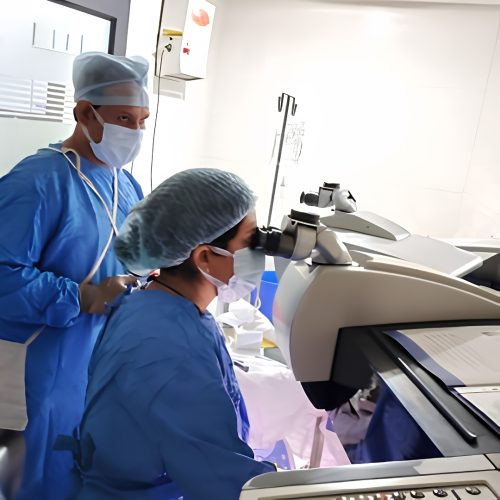
- 0 Comments
- Patient Care
Introduction Cataracts, a common age-related vision condition, affect millions of people worldwide. For individuals with diabetes, managing cataracts becomes a more complex process due to the potential impact of diabetes on ocular health. Cataract surgery in diabetic patients requires special considerations to ensure optimal outcomes and minimize potential risks. In this article, we will explore the unique challenges faced by diabetic patients undergoing cataract surgery and discuss important considerations for a successful procedure. Additionally, we will provide recommendations for the best hospital for cataract surgery and eye doctor for cataract surgery in Indore, India. Understanding the Impact of Diabetes on Cataract Development Diabetes is known to increase the risk of cataract development and accelerate the progression of existing cataracts. Elevated blood sugar levels can lead to changes in the lens of the eye, resulting in clouding and vision impairment. Diabetic patients may also be at a higher risk of developing diabetic retinopathy, a complication that affects the blood vessels in the retina. Proper management of diabetes and blood sugar control are essential before undergoing cataract surgery. Special Considerations for Diabetic Patients: When planning cataract surgery for diabetic patients, several factors need to be taken into account: a. Preoperative Assessment and Diabetes Management: Comprehensive eye examination to evaluate the severity of cataracts and assess diabetic retinopathy.Collaboration between the eye doctor and the patient’s primary care physician or endocrinologist to optimize blood sugar control before surgery. b. Surgical Risks and Complications: Diabetic patients may have a higher risk of developing postoperative complications such as delayed healing, infection, and macular edema.Thorough preoperative evaluation and discussion of potential risks with the patient to make an informed decision. c. Intraocular Lens Selection: Choosing the most suitable intraocular lens (IOL) for diabetic patients, considering their specific visual needs, lifestyle, and the presence of diabetic retinopathy.Discussing options such as toric IOLs for addressing astigmatism or multifocal IOLs for reducing dependence on glasses. Conclusion Cataract surgery in diabetic patients requires special considerations to ensure optimal outcomes and minimize potential risks. With careful preoperative assessment, diabetes management, and collaboration between healthcare providers, diabetic individuals can safely undergo cataract surgery.
Learn More- 0 Comments
- Uncategorized
Understanding Glaucoma: Causes, Symptoms, and Treatment Options Welcome to our comprehensive guide on understanding glaucoma, a prevalent eye condition that can lead to irreversible vision loss if left untreated. In this blog, we will delve into the causes, symptoms, and various treatment options available for managing glaucoma. By enhancing your knowledge of this condition, you can take proactive steps towards early detection and effective treatment. What is Glaucoma? Glaucoma is an eye disease characterized by increased intraocular pressure (IOP) that damages the optic nerve, leading to vision loss. It is important to understand the two primary types of glaucoma: open-angle and angle-closure. Open-angle glaucoma is more common and develops gradually, while angle-closure glaucoma is characterized by sudden and severe symptoms. Causes of Glaucoma Diagnosis and Screening Timely diagnosis is crucial for managing glaucoma effectively. We shed light on comprehensive eye exams and various diagnostic tests such as tonometry, visual field testing, and optic nerve evaluation. We also provide screening guidelines for different age groups and individuals at high risk. Treatment Options Lifestyle Modifications In conjunction with medical treatments, certain lifestyle modifications can support glaucoma management. We explore the role of a healthy diet, regular exercise, stress reduction techniques, smoking cessation, and the significance of proper eye care and protection. Monitoring and Follow-up Maintaining regular follow-up visits with an ophthalmologist is vital for monitoring glaucoma progression. We discuss the frequency of visits, the importance of IOP measurement, optic nerve assessment, and maintaining open communication with healthcare providers. Conclusion Glaucoma is a complex eye condition that requires comprehensive understanding and proactive management. By recognizing the causes, symptoms, and available treatment options, you can take charge of your eye health. Remember, early detection and proper treatment are paramount in preserving your vision. Stay informed, schedule regular eye exams, and collaborate closely with your healthcare team to effectively manage glaucoma and safeguard your visual well-being.
Learn More- 0 Comments
- Uncategorized
Understanding Corneal Diseases And Their Treatments The cornea is the clear, dome-shaped surface that covers the front of the eye. It plays a crucial role in vision by refracting light and allowing us to focus. However, the cornea is also vulnerable to various diseases that can affect its transparency and shape, leading to visual impairment or even blindness. In this blog, we will discuss some of the most common corneal diseases, their causes, symptoms, and treatments. Keratoconus: Keratoconus is a progressive corneal disease that causes the cornea to thin and bugles into a cone-like shape, leading to distorted vision. It usually develops during the teenage years and progresses until the third or fourth decade of life. The exact cause of keratoconus is unknown, but genetics and environmental factors may play a role. Symptoms of keratoconus include blurred or distorted vision, increased sensitivity to light, and frequent changes in eyeglasses or contact lens prescription. Mild cases of keratoconus can be treated with eyeglasses or soft contact lenses, while more severe cases may require rigid gas-permeable contact lenses, corneal collagen cross-linking, or corneal transplant surgery. Fuchs’ dystrophy: Fuchs’ dystrophy is a genetic disorder that affects the endothelial cells of the cornea, leading to fluid buildup and clouding of the cornea. It usually develops in people over 50 years old and is more common in women. Symptoms of Fuchs’ dystrophy include blurred vision, glare, and halos around lights, especially in the morning. In the early stages, Fuchs’ dystrophy can be managed with eye drops, ointments, or soft contact lenses. In advanced cases, corneal transplant surgery may be necessary. Corneal ulcer: A corneal ulcer is an open sore on the cornea caused by infection or injury. It can be a serious condition that requires urgent medical attention to prevent vision loss. Causes of corneal ulcers include bacterial, fungal, or viral infections, as well as dry eyes, contact lens wear, and trauma. Symptoms of corneal ulcers include eye redness, pain, tearing, light sensitivity, and blurred vision. Treatment of corneal ulcers depends on the underlying cause and may include antibiotic or antifungal eye drops, oral medications, or surgery in severe cases. Herpes simplex keratitis: Herpes simplex keratitis is a viral infection of the cornea caused by the herpes simplex virus (HSV). It can cause recurrent episodes of painful eye symptoms, including redness, watering, and sensitivity to light. It may also lead to corneal scarring and vision loss. Treatment of herpes simplex keratitis includes antiviral eye drops or ointment, as well as oral antiviral medications in severe cases. Corneal abrasion: A corneal abrasion is a scratch or injury to the cornea caused by a foreign object or trauma. It can cause eye pain, tearing, redness, and sensitivity to light. Treatment of corneal abrasions may include eye drops to prevent infection and promote healing, as well as wearing a patch or a contact lens to protect the eye. In conclusion, corneal diseases can have a significant impact on vision and quality of life. Early detection and prompt treatment are crucial in preventing vision loss and preserving the cornea’s function. If you experience any symptoms of corneal disease, it is essential to see an eye doctor for a comprehensive eye exam and a proper diagnosis. If you are looking for Cornea Specialist In Indore visit us or call at – +91-79992-34171.
Learn More